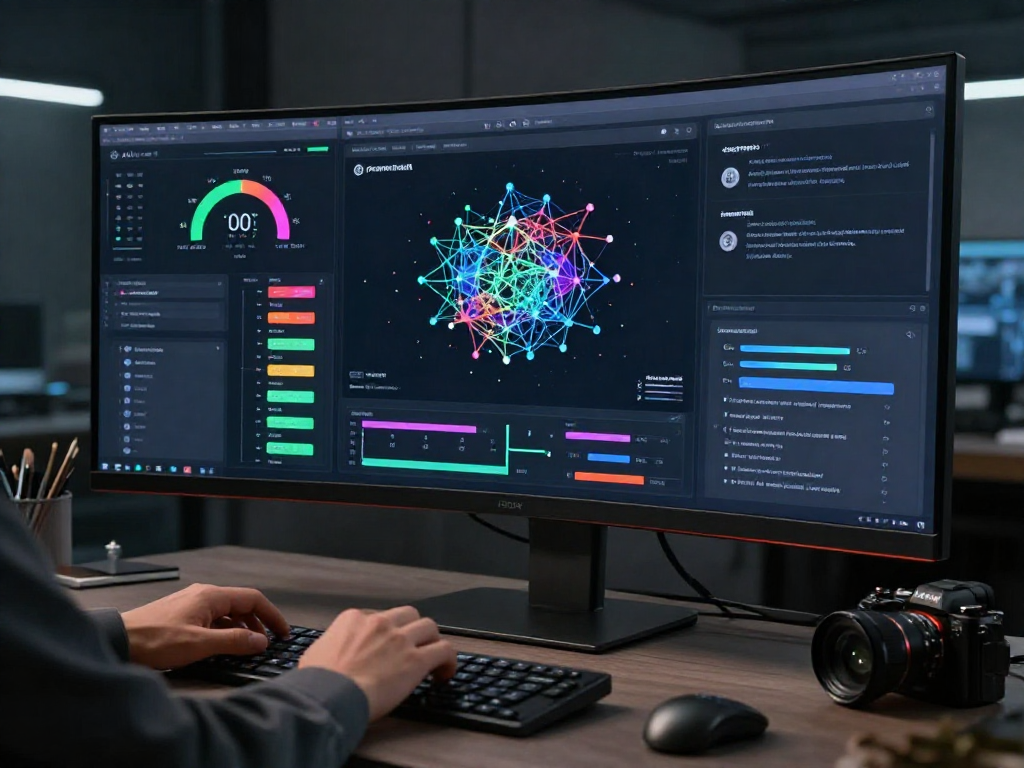
Understanding the Importance of AI Image Detectors
In today’s content-driven world, the demand for reliable moderation solutions has grown immensely. As businesses strive to maintain a safe and productive environment, tools like the ai image detector have become indispensable. These advanced systems are designed to automatically analyze images, videos, and text, ensuring that inappropriate or harmful content is swiftly identified and handled. The significance of AI image detectors cannot be overstated, as they not only help protect community standards but also ensure compliance with legal regulations pertinent to digital content.
What is an AI Image Detector?
An AI image detector is a sophisticated software solution that employs machine learning and artificial intelligence technologies to automatically identify and classify media content. It processes images and videos to detect various types of content, such as nudity, violence, hate symbols, and more. By leveraging vast datasets, these detectors learn patterns and nuances that define acceptable versus unacceptable content, allowing them to provide real-time moderation feedback to users and platform administrators.
Key Benefits for Content Moderation
AI image detectors offer numerous benefits tailored to modern content moderation needs:
- High Accuracy: Advanced models are trained to minimize false positives, ensuring that innocent content is not misclassified as harmful.
- Scalability: AI solutions can handle large volumes of data efficiently, making them suitable for platforms with extensive user-generated content.
- Rapid Flagging: These systems can quickly flag inappropriate content, facilitating timely intervention by moderators.
- Customization: Businesses can tailor the detection algorithms to align with specific content guidelines, enhancing relevance.
- Context Awareness: AI models can understand the context of images, differentiating between safe and harmful material, such as distinguishing between a beach photo and explicit content.
Challenges in AI Detection Accuracy
Despite their advantages, AI image detectors face several hurdles in achieving top-notch accuracy:
- Dataset Limitations: The effectiveness of AI models heavily depends on the diversity and quality of the datasets used for training. An imbalanced dataset can lead to biases and inaccuracies.
- Complex Scenarios: The ability to accurately detect nuanced situations remains a challenge, as AI might struggle with content that blurs the lines between acceptable and harmful.
- Adversarial Manipulation: As detection technologies advance, so do techniques employed by those wishing to circumvent detection, which may lead to a constant arms race between developers and malicious actors.
Metrics for Evaluating AI Image Detector Performance
To ensure that an AI image detector performs effectively, several key performance metrics must be evaluated:
Accuracy and False Positive Rates
Accuracy metrics measure how well the AI correctly identifies harmful content without mistakenly flagging innocent material. The false positive rate is particularly crucial, as high rates can lead to user frustration and damage community trust. An ideal AI image detector should maintain both high accuracy and low false positive rates through continuous learning and adjustment of algorithms.
Response Time for Content Flagging
The speed at which an AI image detector flags inappropriate content is vital for maintaining a safe online environment. Response time is often measured in milliseconds, and swift detection allows moderators to act quickly, preventing potential harm to users and maintaining platform integrity.
User Feedback and Community Safety Metrics
Engaging with users and collecting feedback on content moderation efforts are essential for understanding the efficacy of AI image detectors. Metrics such as user-reported incidents and community engagement levels can provide insights into how well the moderation reflects community standards and expectations.
Customizable Moderation Rules for Diverse Needs
Every platform has unique requirements based on its audience and content type, necessitating customizable moderation rules. AI image detectors excel in this aspect, allowing tailored configurations to suit any business.
Defining Your Platform's Standards
Establishing clear content standards is crucial for effective moderation. Businesses should define what constitutes inappropriate content and ensure these guidelines are integrated into their AI detection systems. This foundational work ensures the AI can accurately reflect community values and expectations.
Adjusting Sensitivity for Different Content Types
Different types of content may require varying levels of sensitivity in moderation rules. For instance, while some platforms may wish to enforce strict bans on nudity, others might allow artistic expressions that include nudity if presented in a certain context. The flexibility of AI image detectors to adjust sensitivity levels can help accommodate these diverse needs.
Examples of Effective Customization
Successful implementation of customizable moderation rules can take many forms:
- Art Platforms: Allowing greater leniency for artistic imagery while strictly filtering explicit content.
- Children’s Forums: Enforcing stringent filters for violence and profanity, while enhancing the detection of age-appropriate content.
- Gaming Communities: Customizing rules to target hate symbols and toxic behavior within user-generated content.
Future Trends in AI Image Detection Technologies by 2026
The landscape of AI image detection is poised for significant advancements as technology continues to evolve. Some notable trends expected to shape the future include:
Emerging AI Models and Techniques
New AI models that incorporate innovations such as deep learning and neural networks will enhance the precision and capabilities of image detection. These emerging techniques promise to deliver even greater accuracy, reduced biases, and improved context awareness.
The Role of Continuous Learning in Detection
As AI detectors are exposed to real-world data and user interactions, their ability to learn and adapt will be crucial. Continuous learning models will enable detectors to evolve, recognizing new types of content and adapting to societal changes in perceptions of what is deemed inappropriate.
Predictions for Content Moderation Needs
By 2026, the demand for AI image detectors is expected to grow exponentially, driven by the increasing volume of online content and heightened awareness of digital safety. Platforms will require sophisticated moderation solutions to protect communities effectively while fostering user engagement.
Implementing AI Image Detectors on Your Platform
Integrating an AI image detector into your platform can seem daunting, but with a structured approach, businesses can effortlessly enhance their content moderation capabilities.
Step-by-Step Integration Guide
1. Define Objectives: Identify the specific content types to moderate and the desired outcomes.
2. Select a Provider: Choose a reliable AI image detector that offers customizable features and robust support.
3. Implement the API: Follow integration guidelines provided by the AI service to ensure seamless functionality.
4. Monitor and Adjust: Continuously analyze performance metrics and user feedback to refine the system as necessary.
Testing and Evaluation Strategies
Before full deployment, conduct extensive testing to evaluate the effectiveness of the AI image detector. Utilize a diverse set of test cases that reflect your platform’s content to identify strengths and weaknesses in moderation.
Case Studies of Successful Implementations
Several organizations have successfully implemented AI image detection systems, showcasing the potential benefits:
- Social Media Platforms: Many have adopted AI image detectors to improve user experience by rapidly flagging harmful content while maintaining user engagement.
- E-Commerce Sites: Platforms use these systems to ensure that product images comply with community guidelines, preventing misleading listings.
- Online Gaming Communities: Gaming companies employ AI detectors to maintain a positive community environment by quickly addressing toxic behavior and content.
What types of content can AI image detectors analyze?
AI image detectors can analyze a wide range of content including images, videos, and text, categorizing them into predefined categories such as nudity, violence, hate speech, and spam, among others.
How do customizable rules impact moderation effectiveness?
Customizable rules allow platforms to tailor detection algorithms based on specific community standards and content types, significantly enhancing moderation effectiveness by ensuring relevance and accuracy.
What are common challenges when using AI image detectors?
Common challenges include dataset biases, the complexity of nuanced content, and the need for continuous updates to keep pace with evolving trends and tactics used by harmful content creators.
How fast can AI image detectors flag inappropriate content?
Most advanced AI image detectors can flag inappropriate content within milliseconds, allowing for real-time responses that help maintain a safe online environment.
What should I monitor to ensure my AI image detector is performing optimally?
Monitor key metrics such as accuracy, false positive rates, response times, user feedback, and overall community safety indicators to ensure optimal performance of your AI image detector.