
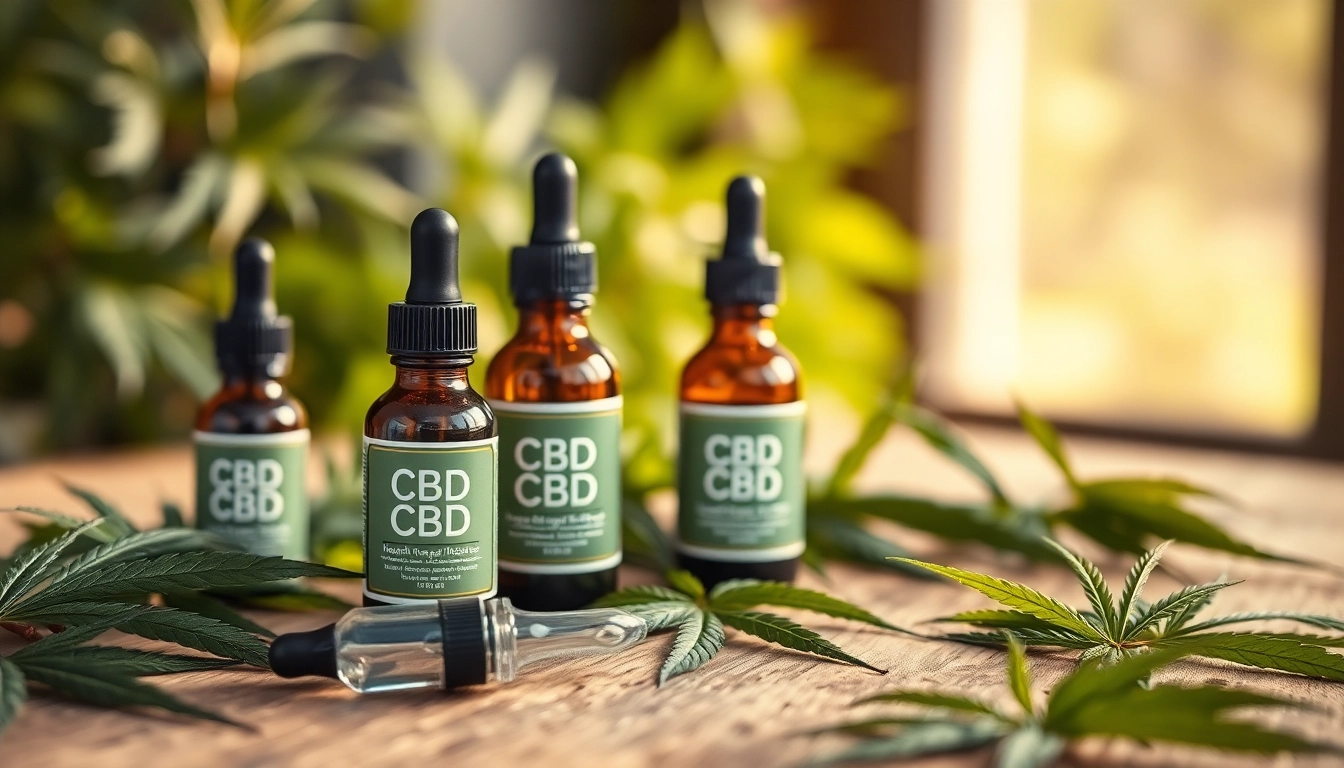
What is CBD and How Does It Work?
The Basics of CBD
Cannabidiol, commonly known as CBD, is one of the numerous active compounds known as cannabinoids found in the cannabis plant. Unlike its more famous counterpart, tetrahydrocannabinol (THC), which is known for its psychoactive effects, CBD does not induce a “high.” This non-intoxicating nature has significantly contributed to CBD’s rising popularity, particularly among those seeking therapeutic benefits without intoxication. As a result, CBD has gained traction in various health and wellness applications, appealing to a wide audience that includes fitness enthusiasts, health-conscious individuals, and those seeking natural remedies for various ailments. To learn more about the properties and uses of CBD, you can explore additional resources on CBD.
How CBD Interacts with the Body
The human body has an intricate network known as the endocannabinoid system (ECS), which plays a vital role in homeostasis. This system consists of cannabinoid receptors, endocannabinoids, and enzymes that work together to regulate various functions, including mood, memory, pain sensation, and immune responses. CBD primarily interacts with the body by influencing the ECS, particularly through the CB1 and CB2 receptors.
While CBD does not bind directly to these receptors as THC does, it modulates the effects of the endocannabinoids that interact with them. This interaction can lead to various therapeutic effects, such as reducing inflammation, alleviating pain, and even influencing mood. The mechanism through which CBD works is complex and involves multiple pathways, highlighting the need for further research in this exciting field.
Differences Between CBD and THC
The primary distinction between CBD and THC lies in their psychoactive properties. THC is well-known for its ability to produce euphoric sensations, making it the primary intoxicating component of cannabis. In contrast, CBD does not have these psychoactive effects, allowing users to experience the potential benefits without altering their mental state.
Furthermore, the legal status of CBD and THC varies significantly. In many regions, CBD derived from hemp is legal, whereas THC often remains under stricter regulations due to its psychoactive nature. This difference has spurred the popularity of CBD products across diverse markets, from dietary supplements to skincare and sports recovery.
Health Benefits of CBD
Potential Therapeutic Uses of CBD
Research into the therapeutic applications of CBD is rapidly evolving, with numerous studies suggesting potential benefits for a range of health conditions. These include:
- Anxiety and Depression: CBD has been investigated for its potential to mitigate anxiety and depressive symptoms. Several studies indicate that CBD may reduce anxiety responses in both human and animal models without significant side effects.
- Chronic Pain Management: CBD has shown promise in alleviating various types of pain, particularly in conditions such as arthritis and multiple sclerosis. By modulating pain perception within the ECS, users may experience relief without relying on opioids.
- Neurological Disorders: Certain neurological disorders, including epilepsy and multiple sclerosis, have been the focus of CBD research. Evidence suggest CBD may reduce the frequency and severity of seizures in conditions like Dravet syndrome.
- Inflammatory Conditions: Due to its anti-inflammatory properties, CBD has been studied for its potential benefits in autoimmune diseases and inflammatory responses, offering a promising alternative to traditional anti-inflammatory drugs.
- Sleep Disorders: Many users report that CBD helps improve sleep quality. Research is ongoing to understand its effects on sleep regulation and disorders such as insomnia.
Scientific Studies on CBD’s Effectiveness
The effectiveness of CBD has been substantiated by numerous scientific studies. One pivotal study published in the Journal of Experimental Medicine demonstrated that CBD reduced chronic pain and inflammation in animal models, underscoring its potential as a therapeutic agent.
Furthermore, a systematic review conducted in 2019 analyzed clinical trials on CBD and found that it appears to be effective for reducing social anxiety, particularly in public speaking scenarios.
While these studies provide hope for various medical applications, it’s essential to acknowledge that the research is still ongoing. Future clinical trials will help clarify the efficacy of CBD for specific conditions and its long-term safety profile.
Safety Profile and Side Effects of CBD
Though CBD is often well-tolerated, potential side effects can occur. Commonly reported side effects include dry mouth, drowsiness, fatigue, and gastrointestinal issues. It’s crucial for users to consult healthcare providers, especially when considering CBD in conjunction with other medications, to avoid adverse interactions.
The World Health Organization has noted that CBD does not exhibit potential for abuse or dependence, further emphasizing its safety as a therapeutic option. However, as with any substance, individuals should approach CBD with caution, particularly at higher doses or through unknown brands.
Ways to Use CBD Products
Forms of CBD: Oils, Edibles, and Topicals
CBD is available in several forms, catering to different preferences and applications. The most common forms include:
- Oils and Tinctures: These are commonly used for their rapid absorption rates. Users can take CBD oil sublingually (under the tongue) for quick effects or mix it into foods and beverages.
- Edibles: CBD-infused gummies, chocolates, and other foods offer a discreet and tasty way to consume CBD. However, the effects may take longer to kick in compared to oils.
- Topicals: Creams, balms, and lotions infused with CBD can be applied directly to the skin, providing localized relief for conditions like arthritis or skin irritations.
- Capsules: CBD capsules provide a convenient way to incorporate CBD into a daily routine, offering consistent dosing without the need for measuring oils or edibles.
Recommended Dosages for Different Uses
Determining the right dosage of CBD can be complex due to various factors, including individual body chemistry, the condition being treated, and the specific product used. Generally, it’s advisable to start with a low dose (around 5-10 mg) and gradually increase it until the desired effects are achieved.
A healthcare provider specializing in cannabis medicine can offer personalized guidance on dosage, particularly for those managing specific health conditions. Monitoring effects and adjusting dosages accordingly is crucial as everyone’s body can react differently to CBD.
Consumer Tips for Buying CBD Products
With an array of CBD products flooding the market, consumers must approach purchases with caution. Here are essential tips for buying high-quality CBD:
- Look for Third-Party Testing: Reliable brands provide certificates of analysis from independent labs, ensuring potency and purity.
- Research Sourcing: Quality CBD is ideally derived from organic hemp grown in the U.S. or Europe, free from pesticides and heavy metals.
- Understand the Extraction Method: The CO2 extraction method is often considered the gold standard, preserving the cannabinoids and terpenes without harmful solvents.
- Check for Transparency: Reputable companies openly share their ingredients and lab results, allowing consumers to make informed decisions.
Legal Status and Regulations Surrounding CBD
Current Legal Landscape in the United States
The legal status of CBD in the United States has evolved significantly over the past few years. The 2018 Farm Bill legalized hemp-derived CBD containing less than 0.3% THC at the federal level. However, various states have different regulations regarding the sale and use of CBD products, so it’s crucial for consumers to be aware of local laws.
Despite federal legalization, the FDA has yet to approve CBD for dietary supplements, posing challenges for manufacturers trying to navigate the regulatory landscape. In recent developments, the FDA is exploring the establishment of a regulatory framework for CBD products, which may impact future market dynamics.
International Views on CBD Legality
Globally, attitudes toward CBD are shifting, with many countries beginning to recognize its potential health benefits. Regions such as Europe and Canada have embraced more straightforward regulations regarding CBD, while some countries maintain stringent bans on cannabis products. Travelers should be cautioned about the legal status of CBD in their destination countries to avoid any legal complications.
What Consumers Should Know About Regulations
Consumers should stay informed about the evolving regulations surrounding CBD. Purchasing from reputable brands that comply with local laws and regulations can help mitigate risks. Additionally, understanding the differences between hemp and marijuana-derived CBD is essential, especially regarding legality and product composition.
The Future of CBD Products and Research
Emerging Trends in the CBD Market
The CBD market continues to expand rapidly, with emerging trends shaping its future. Novel delivery methods, such as infused beverages and innovative skincare products, are gaining traction. Moreover, as consumer demand grows, brands are focusing on sustainability and environmentally friendly practices in their sourcing and manufacturing processes.
Consumer interest in full-spectrum versus isolate products is also prevalent, with many preferring formulations that incorporate a range of cannabinoids and terpenes to leverage the entourage effect. This trend indicates a growing awareness and appreciation for the complexity of the cannabis plant.
Potential Areas for Future CBD Research
As the scientific community delves deeper into the properties of CBD, multiple areas warrant further investigation. Research on the long-term effects of CBD, its interactions with various medications, and how it can be used in conjunction with other therapies, particularly in pain management and mental health, is crucial for expanding its applicability as a therapeutic agent.
Additionally, exploring the effects of different dosages and formulations can inform consumers and healthcare professionals on optimal usage, enhancing safety and effectiveness.
Consumer Expectations for CBD Products
As consumer awareness of CBD grows, so do expectations regarding product quality, transparency, and efficacy. In today’s market, consumers are increasingly seeking reliable information about product sourcing, formulation, and the science behind CBD.
Companies that prioritize education and transparency will likely stand out in a competitive market, as informed consumers are more likely to engage with brands that align with their values. This shift may also encourage manufacturers to adopt higher standards and promote the production of safer and more effective CBD products.


