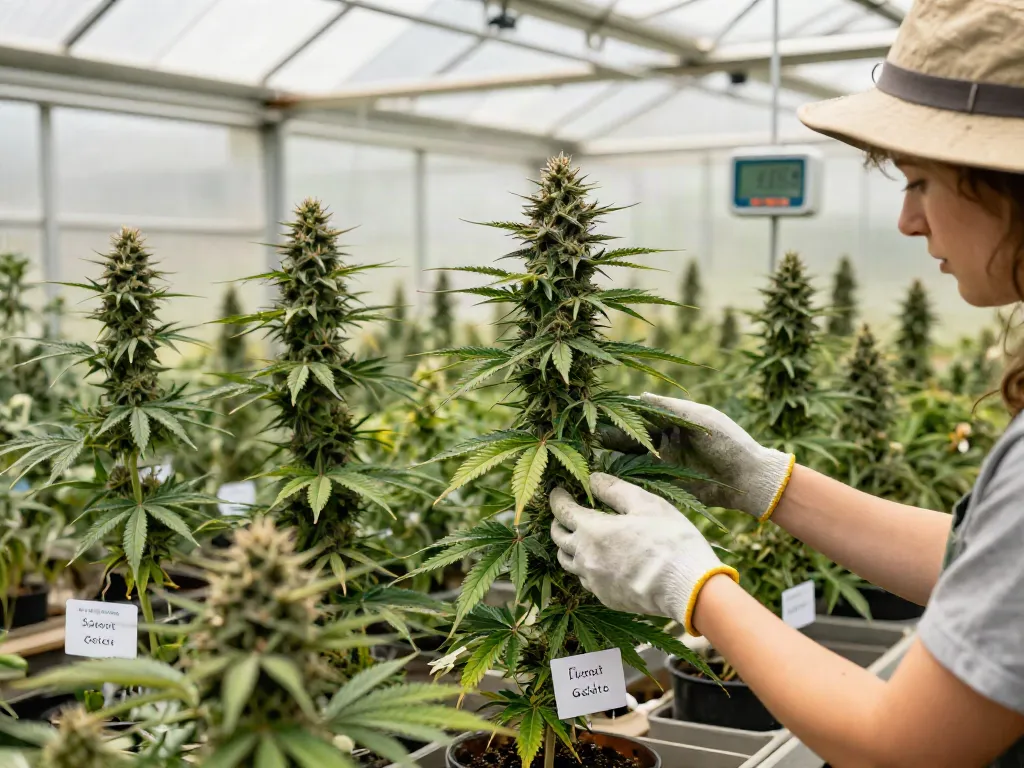
Understanding Triploid Cannabis Seeds
As the cannabis cultivation landscape continues to evolve, growers are increasingly turning to innovative genetic variations to enhance their yields and optimize their growing experiences. Among the most exciting advancements in cannabis genetics are triploid cannabis seeds. These seeds offer a unique set of characteristics that distinguish them from traditional diploid varieties. In this article, we delve into the intricacies of triploid cannabis seeds, explore their distinct genetic makeup, and discuss why they may be an excellent choice for both commercial and hobbyist growers. When exploring options, triploid cannabis seeds offer comprehensive insights into modern cultivation techniques.
What Are Triploid Cannabis Seeds?
Triploid cannabis seeds are a relatively recent development in the world of cannabis cultivation. These seeds contain three complete sets of chromosomes, unlike the two sets found in their diploid counterparts. This triploid state is achieved through specific breeding practices, often involving the crossing of a tetraploid parent (which has four sets of chromosomes) with a diploid parent. The resulting offspring can inherit three sets, leading to triploid characteristics.
The presence of three chromosome sets does not guarantee any particular traits regarding flowering schedules, potency, or yield. Instead, it represents a unique genetic category that cultivators can explore. Most cannabis on the market today is diploid, making triploid seeds a novel approach for growers interested in pushing the boundaries of what's possible in cannabis cultivation.
The Genetics of Triploid Strains
The genetic foundation of triploid cannabis seeds is built upon chromosome interactions that influence plant growth and development. When a triploid plant undergoes meiosis, the typical process of cell division is disrupted due to the odd number of chromosome sets. This irregularity often leads to reduced fertility compared to diploid plants. While this can limit seed production after pollen exposure, triploids are not entirely sterile and can still produce viable seeds under certain conditions.
Breeders have harnessed triploid genetics to create strains with desirable traits, such as enhanced cannabinoid profiles, unique aromas, and distinctive plant structures. The opportunity to blend these traits with triploidy opens a new realm of possibilities for breeding programs aimed at creating marketable cannabis products.
Differences Between Triploid, Feminized, and Autoflower Seeds
To navigate the world of cannabis seeds effectively, it’s essential to understand how triploid seeds differ from feminized and autoflower varieties:
- Triploid Seeds: Characterized by three sets of chromosomes, these seeds provide unique genetic traits, such as increased THC and terpene levels and reduced fertility, which can help mitigate issues with unwanted fertilization.
- Feminized Seeds: Designed to produce only female plants, feminized seeds eliminate the risk of male plants pollinating the female flowers. This ensures that growers can maximize their yields of potent buds without the concern of unwanted male offspring.
- Autoflower Seeds: These seeds develop into flowering plants based on age rather than light cycles. This trait allows for quicker harvests, making them ideal for growers in regions with shorter growing seasons.
Benefits of Growing Triploid Cannabis Seeds
High Yield Potential and THC Levels
One of the primary benefits of cultivating triploid cannabis seeds is their exceptional yield potential. Many growers have reported that triploid strains can produce 30-100% more flowers compared to diploid strains, which can significantly enhance the overall profitability of commercial operations. Additionally, triploid cannabis plants often exhibit higher THC levels, making them attractive to both growers and consumers seeking potent products.
Natural Resistance to Pollen
Another compelling advantage of triploid cannabis seeds is their inherent resistance to pollen. The reduced fertility associated with triploid genetics means that these plants are less likely to produce seeds when exposed to pollen. For growers concerned about maintaining seedless crops, triploids represent a reliable option for high-quality, seedless harvests.
Faster Flowering Times for Growers
In addition to their other benefits, triploid cannabis plants often exhibit faster flowering times than their diploid counterparts. This trait can be particularly advantageous during the cultivation season, allowing growers to reap the rewards of their hard work more quickly. This factor, combined with the potential for higher yields, makes triploid strains a formidable choice for growers looking to maximize their operational efficiency.
Challenges and Considerations
Understanding Fertility and Seed Production
While triploid cannabis seeds present numerous advantages, it’s important to acknowledge the challenges they can pose. The reduced fertility associated with these plants can limit seed production, which may be a drawback for growers interested in breeding their strains. However, understanding how triploid genetics work can help growers mitigate these issues and optimize their cultivation strategies.
Environmental Factors Affecting Growth
Like all cannabis plants, triploid strains are sensitive to environmental conditions. Factors such as temperature, humidity, light, and nutrient availability can significantly impact plant health and productivity. It’s crucial for growers to monitor these elements closely to ensure optimal growth and yield from their triploid cannabis crops.
Common Misconceptions About Triploid Strains
One common misconception surrounding triploid cannabis seeds is that they are completely sterile. While their unique genetic make-up does lead to reduced fertility, triploid plants can still produce viable seeds under certain conditions. It’s important for growers to approach triploid genetics with an understanding of the nuances involved to avoid misunderstandings and ensure successful cultivation.
Comparison with Other Cannabis Seed Varieties
Triploid vs. Diploid Strains
The distinction between triploid and diploid strains lies primarily in their chromosomal configurations. Diploid plants, with their two sets of chromosomes, typically exhibit more stability in their genetic traits and are easier to breed. However, triploids offer advantages such as higher yields and increased potency, making them a worthy consideration for those looking to innovate in their cultivation practices.
Advantages of Triploid Over Feminized Seeds
While feminized cannabis seeds are designed to produce only female plants, triploid seeds add an extra layer of complexity and benefit. The natural resistance to pollen and the potential for increased yields make triploid seeds particularly appealing for growers focused on maximizing their output while minimizing risks associated with unwanted fertilization.
Case Studies: Successful Triploid Strain Cultivation
Several growers around the world have reported success with triploid cannabis cultivation. For example, a group of commercial cultivators in California documented yields of up to 70% more flowers compared to traditional diploid strains after switching to triploid varieties. These findings highlight the potential of triploid genetics to revolutionize cannabis production and meet the growing demand for high-quality cannabis products.
The Future of Triploid Cannabis Cultivation
Emerging Trends in Cannabis Genetics
The future of cannabis cultivation is likely to be shaped by ongoing advancements in genetics. As researchers continue to explore the capabilities of triploid strains, it’s expected that we will see an increase in the development of specialized hybrid varieties that combine triploidy with other desirable traits. This trend could lead to a new generation of cannabis products that outperform traditional varieties in both yield and quality.
Predictions for Triploid Strains in 2026
As we move into 2026, it’s likely that triploid cannabis seeds will become more mainstream as growers recognize their advantages over traditional seed types. With the potential for higher yields, enhanced potency, and resilience to unwanted pollen, triploid strains may soon dominate the market, appealing to both commercial producers and home growers alike.
Advice for Commercial Growers and Hobbyists
For both commercial growers and hobbyists considering triploid cannabis seeds, it’s essential to conduct thorough research before initiating cultivation. Understanding the specifics of triploid genetics, as well as the associated challenges, can help ensure successful growing experiences. Regular monitoring of environmental conditions and proper nutrient management are critical for realizing the full potential of triploid strains in any growing scenario.
Are triploid cannabis seeds worth it?
Ultimately, the decision to invest in triploid cannabis seeds depends on individual grower goals. For those seeking higher yields and increased potency, triploid seeds represent an innovative option worth considering while navigating the complexities of cannabis cultivation.
Who sells triploid cannabis seeds?
Many reputable seed banks and breeders are beginning to offer triploid cannabis seeds as part of their catalog. Growers interested in exploring these seeds should research to find suppliers with a proven track record in quality and customer service.
What is a triploid cannabis plant?
A triploid cannabis plant is one that possesses three sets of chromosomes, which influences its growth patterns, yield potential, and overall health. These plants are often characterized by their higher potency and unique genetic traits, making them a popular choice among forward-thinking cultivators.
How do triploid seeds compare to traditional seeds?
Triploid seeds differ significantly from traditional seeds, such as diploid or feminized varieties, due to their unique chromosomal structure and the benefits that come with it. These differences can lead to variations in yield, potency, and plant resilience, providing growers with innovative options for maximizing their crops.
Can triploid cannabis seeds produce viable offspring?
While triploid cannabis plants generally exhibit reduced fertility, they can still produce viable offspring under certain conditions. Understanding the breeding implications of triploid genetics is crucial for growers considering crossing these plants with others.